Flat Out Wrong: How Headphone Hype Is Sabotaging Your Mixes Before You Even Start
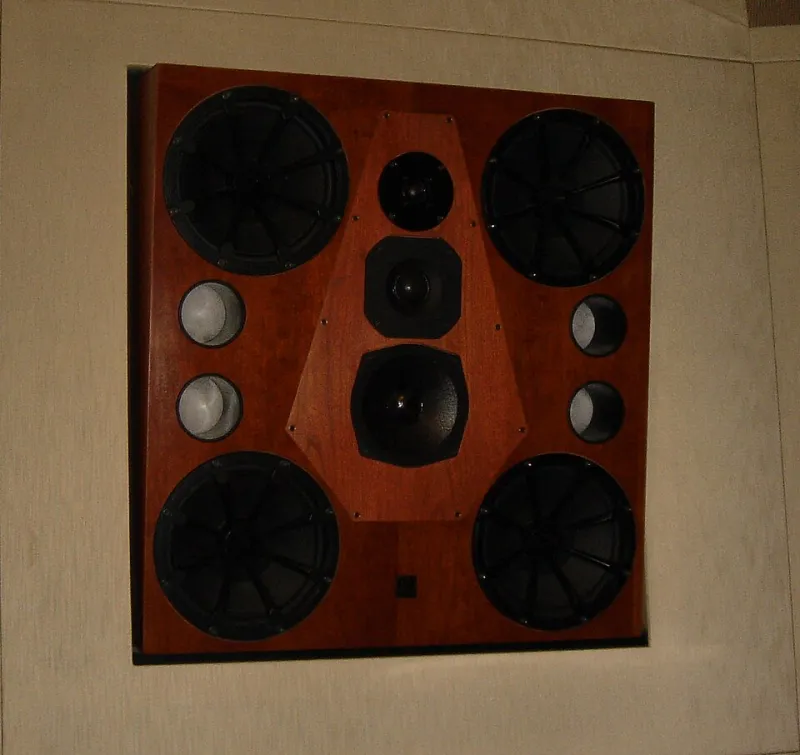
Photo: Jon Gos from Philadelphia, Unites States, CC BY 2.0, via Wikimedia Commons
Let's be real for a second. A huge chunk of bedroom producers in the US are mixing on headphones — not because it's ideal, but because it's practical. Apartments are small. Roommates exist. Landlords don't care about your art. So you pull on your cans, fire up your DAW, and start sculpting frequencies. The problem? Those headphones are probably lying to you, and they've been doing it since day one.
This isn't a gear-snobbery rant. It's a genuine look at something that doesn't get enough airtime in producer circles: the systematic way consumer headphone tuning distorts your perception of a mix, and why the marketing language around "studio-quality" sound is often more fiction than fact.
The Tuning Curve Nobody Talks About
Every pair of headphones you've ever bought was tuned. Not tuned in the sense of being carefully calibrated for accuracy — tuned in the sense of being shaped to sound good to a casual listener in a Best Buy or scrolling through Amazon reviews. That usually means boosted bass, scooped mids, and hyped-up highs. It's called a "consumer V-curve," and it's everywhere.
The thing is, it sounds great for listening. Bass-heavy electronic music hits harder, vocals shimmer, everything feels exciting. But the moment you start making creative decisions based on that sound picture — cutting frequencies, layering synths, balancing a kick against a sub — you're working from a warped baseline. You might be pulling out bass that was never actually too loud, or leaving a muddy low-mid pile-up that your headphones are hiding from you entirely.
Frequency response graphs are publicly available for most popular headphone models, and if you spend five minutes on a site like rtings.com or the community-driven databases over at AutoEq, you'll see just how far some of the most popular "studio" headphones drift from a neutral target. Some models have bass shelves that are 8 to 10 dB above neutral. That's not a subtle coloration — that's a completely different mix.
The Marketing Language Problem
Here's where it gets a little frustrating. Terms like "studio-grade," "reference quality," and "flat response" get thrown around in product descriptions with almost no accountability. A pair of headphones can be marketed as a mixing tool while having a frequency response that would make an actual studio engineer wince.
Some of the most hyped consumer headphones — the ones with massive Reddit followings and YouTube review channels dedicated to them — are genuinely great products for music enjoyment. They're just not honest monitoring tools. And that distinction matters enormously when you're trying to make a mix that translates to other systems: car speakers, phone earbuds, club sound systems, and everything in between.
The goal of a good monitoring environment is translation. You want to hear problems before your audience does. A headphone that flatters your mix isn't helping you — it's setting you up for a nasty surprise when you play that track somewhere else.
Training Your Ears vs. Fixing the Tool
There are two schools of thought on how to deal with this, and honestly, both have merit.
The first is ear training through reference tracking. This means consistently A/B testing your mixes against commercial tracks you know well, on the same headphones, until you internalize the bias. If you know your cans boost 60Hz by 6 dB, you learn to mentally compensate. A lot of experienced producers who've been working on the same pair of headphones for years have essentially built a mental EQ correction into their workflow. It works — but it takes time, and it falls apart every time you switch gear.
The second approach is using software correction. Tools like Sonarworks SoundID Reference or the free AutoEq profiles (which can be loaded into a parametric EQ like eqMac on Mac or Peace EQ on Windows) apply a corrective EQ curve to your headphone output, pulling it toward a flat target. This is genuinely useful, particularly for producers who can't afford a full speaker monitoring setup. It's not magic — room acoustics still matter for speaker work — but it can dramatically improve how honest your headphone mix sounds.
Affordable Headphones That Actually Play It Straight
If you're in the market for something more honest, the good news is you don't have to spend $500 to get there. The Sennheiser HD 560S sits around $150 and has one of the flatter responses in its price class. The AKG K371 is another solid option that targets the Harman curve — an industry-developed target response that's been validated through extensive listener research — and can usually be found under $150.
For under $100, the Koss KPH30i has a surprising cult following among producers who value accuracy over flash. It's not going to win any design awards, but it'll give you a more honest read on your low-mids than a lot of headphones twice the price.
The point isn't to chase a specific model — it's to shop with frequency response data in front of you instead of relying on marketing copy or YouTube reviewer enthusiasm.
The Bigger Picture for Electronic Producers
Electronic music is particularly unforgiving when it comes to monitoring accuracy. We're working with synthesized bass frequencies that can sit right at the threshold of perception, sub-bass content that needs precise level management, and dense layered arrangements where small frequency conflicts compound quickly. The genre demands honest ears.
If you're producing ambient, techno, experimental electronics, or anything with significant low-frequency content, the gap between what your consumer headphones tell you and what's actually happening in the mix can be the difference between a track that hits and one that falls flat on a real system.
The fix doesn't have to be expensive or complicated. It starts with knowing what your headphones are actually doing — pulling up a frequency response graph, running a reference track through your ears, and being honest with yourself about whether you're hearing your music or your headphone manufacturer's idea of what music should sound like.
Because at the end of the day, the mix you think you made and the mix your listeners actually hear should be the same thing. Getting there starts with understanding the tools between you and the truth.